How much does new siding cost for a typical Bethany home?
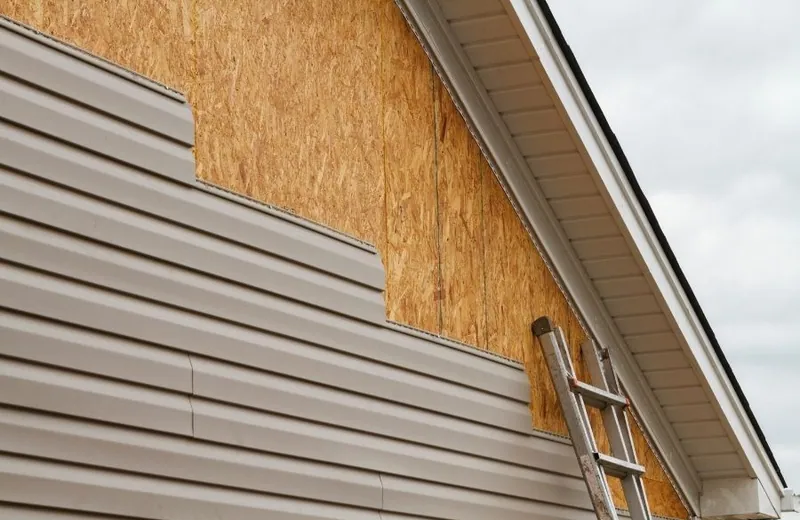
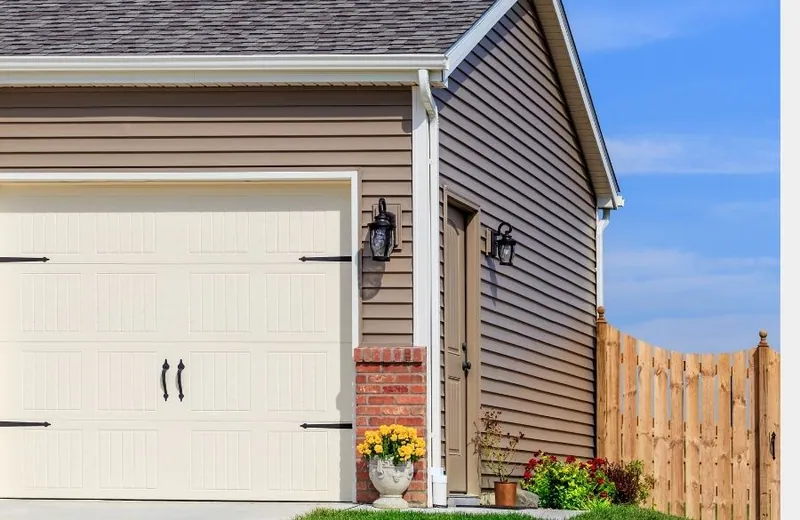
Most full re-siding jobs on Bethany ranches fall between about $11,000 and $20,000 for insulated vinyl. Fiber cement like James Hardie usually runs $20,000 to $40,000 or more, depending on wall area and trim. Single-story homes with brick wainscots cost less because there's less wall to cover. The biggest unknown is what's underneath: rotted sheathing, missing house wrap, or asbestos shingles can raise the scope. We give you a written estimate with clear per-unit pricing for hidden damage, so nothing comes as a surprise. Financing is available.
How long does a siding replacement take?
Installation on a typical single-family home takes about 3 to 10 working days. A small ranch in vinyl is on the short end. A two-story fiber cement job with lots of trim is on the long end. Before that, plan on 1 to 3 weeks for permits, HOA approval and material delivery. In spring storm season, scheduling backlogs build up quickly across the metro, so it helps to call soon after a hail event. Weather can pause work, but we close up exposed walls every night.
Do I need a permit to replace siding in Bethany?
Usually, yes. Bethany issues building permits through city hall, and residential re-siding typically needs a permit and sometimes an inspection. If you live in Warr Acres, Yukon, Edmond, Nichols Hills, The Village or another suburb, that city's own office handles it, and Oklahoma City Development Services covers homes inside OKC limits. Requirements differ, and Nichols Hills adds architectural review on top. HOAs in Edmond, Yukon, Mustang and Deer Creek may need to approve your colors and materials too. We handle the permit paperwork as part of the job.
Will insurance pay for hail-damaged siding?
Often, yes. Most homeowner policies cover sudden hail and wind damage, though they don't cover normal wear. The key is documentation. We inspect, photograph and record the damage so your adjuster can see what the storm caused. If your vinyl color is discontinued and a repair would leave mismatched walls, we document why the full elevation needs replacing. By law, we can't waive or cover your deductible, and Oklahoma gives you a window to cancel after your claim is approved. Be wary of anyone who promises otherwise.
Which siding holds up best to Oklahoma hail?
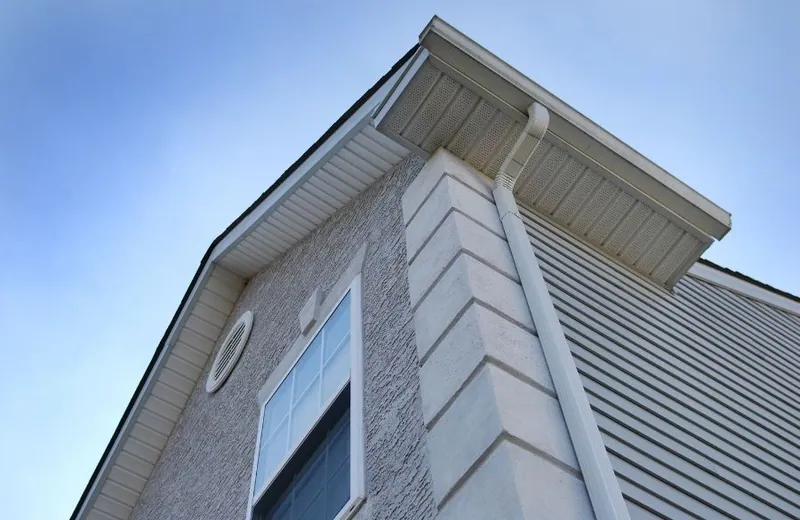
Fiber cement, especially James Hardie, gives the best mix of hail resistance, fire resistance and UV-stable color for most Bethany homes. Engineered wood also resists impacts well and costs a bit less. If you prefer vinyl, go with insulated or heavy-gauge panels. They resist cracking much better than thin builder-grade vinyl. Aluminum and steel don't crack, but they dent easily. No siding is hail-proof against 2.5-inch stones, but the right material and fastening make a big difference.
When should I repair siding versus replace it?
Repair makes sense when damage is limited to a few panels, the material is in good shape overall, and you can get a matching color. Replacement is the better call when you see widespread hail cracks, swollen or rotting masonite, chalky dented aluminum, or warping across several walls, or when your color is discontinued. Age matters too. Much of Bethany's 1970s–80s siding is past its useful life, and repeated patching ends up costing more. We'll give you an honest recommendation either way.
How can I prevent siding damage between storms?
Keep gutters clean so overflow doesn't soak the bottom courses and trim. Clogged gutters are a big reason for rot on older Bethany homes. Keep soil, mulch and sprinklers off the siding to cut down on red-clay splash staining and moisture. Check the brick-to-siding joints each spring, since clay movement opens gaps there. Trim branches back from walls. After any hailstorm, walk around the house and look for cracks or loose panels. Small fixes now head off sheathing rot later.
How soon should I act after a storm damages my siding?
Right away if panels are missing, unzipped or torn, or if you can see sheathing or house wrap. Water and pests get in fast, and the next spring storm could be days away. Cracked or dented siding is less urgent but still needs an inspection, because insurance policies have claim deadlines and hidden cracks let wind-driven rain behind the wall. Take photos, then schedule an inspection. Don't sign with a door-knocking crew before you've checked that they're bonded, insured and local.